


Long workdays behind a computer screen quickly highlight the shortcomings of standard desk seating, especially when static backrests cause lower-back tension or rigid seat edges pinch the thighs. Evaluating the best steelcase office chairs helps you match dynamic ergonomic features to your work habits, whether you need weight-activated recline tension or multi-directional arms for typing and device use. Pairing your setup with proven concepts from ergonomic office chairs for posture ensures that your chair moves with your spine instead of forcing you into uncomfortable, rigid angles.
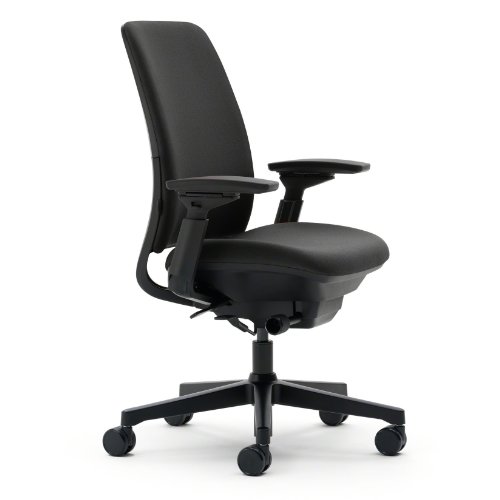
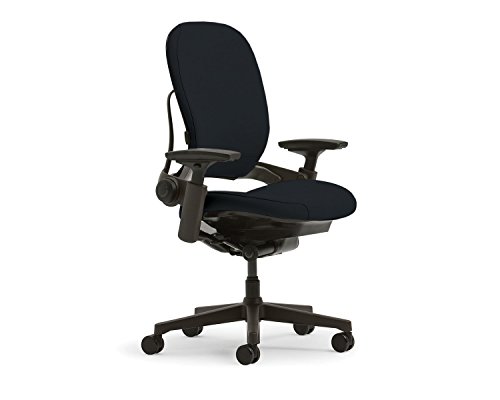
Steelcase designs prioritize active sitting through mechanisms like 3D LiveBack frames, flexible seat edges, and intuitive dials that eliminate guesswork. Selecting between classic builds like the Leap, versatile models like the Amia, or modern designs like the Gesture comes down to how much personalized adjustability you require for daily desk work. Checking caster types for carpeted or hard surfaces ensures smooth rolling while protecting your workspace flooring.



Frequently Asked Questions
Which Steelcase chair provides the most armrest adjustability?
The Steelcase Gesture offers the widest range with 360-degree articulating arms. The product details confirm these arms adjust to support various postures, including typing and mobile device use. Other models like the Amia and Series 1 offer 4D armrests that move in height, width, depth, and pivot.
How does the Natural Glide System on the Steelcase Leap work?
The Natural Glide System allows the seat to glide forward as you recline backward. According to manufacturer specifications, this motion keeps your posture aligned while keeping you within reach of your desk work surface. That may suit users who recline often while viewing monitors.
Is assembly required for the Steelcase Series 1 desk chair?
Yes, but the Steelcase Series 1 requires no tools for assembly and goes together in less than two minutes. The listed specifications highlight an effortless setup that connects quickly. This feature makes it practical for remote work setups and shared study spaces.
What is the main difference between the Amia and Series 2 back support?
The Amia uses a hidden LiveLumbar system, while the Series 2 features Air LiveBack technology with a manual comfort dial. The supplied data states the Amia offers extra cushioning and flexible edges designed for eight to ten hours of sitting. If neck alignment is also a priority, reviewing an ergonomic chair with neck support provides helpful reference points for taller setups.
Do Steelcase chairs include wheels suitable for both carpet and hard floors?
Wheel suitability varies depending on the specific caster type listed for each chair. The supplied specifications show that the Gesture and Series 1 include carpet wheels, while the Series 2 listings feature casters for hard flooring. Checking the wheel specifications ensures proper traction and floor protection in your office.




Write Your Review
No reviews yet. Be the first to share your experience!