


Restricted arm movement ruins a good practice session faster than bad fret buzz. Standard desk arms constantly bump into guitar bouts, forcing you to lean forward awkwardly or perch precariously on the front edge of the seat cushion. Selecting the best office chairs for guitar players requires balancing dedicated lumbar support with armrests that either flip backward completely or stay low enough to clear a guitar body. Looking closely at seat dimensions and frame stability ensures your spine stays aligned while your hands roam freely across the neck. Pair your setup with dependable ergonomic office chairs for posture to keep your back relaxed through hours of tracking and mixing.
Musicians moving between recording software and guitar practice need furniture that adapts instantly without wobbling or making squeaky noises. Features like flip-up armrests, adjustable seat heights, and breathable mesh backings prevent fatigue and heat buildup during extended home studio sessions. Based on our analysis of user feedback and technical specifications, checking seat depth and base stability helps prevent tipping while you lean into complex chords. If your creative space doubles as a compact bedroom studio, space-saving options like foldable desk chairs or musician stools can save valuable floor real estate while maintaining proper seating height. Paying attention to weight ratings and gas-lift cylinders guarantees your chair handles daily adjustments without sinking mid-take.



Frequently Asked Questions
Why do guitar players need chairs with flip-up armrests?
Flip-up armrests clear room for the lower bout of acoustic and electric guitars so the instrument can rest naturally against your torso. Standard fixed arms bump against guitar wood, causing scuffs and forcing an unnatural playing angle. Raising the arms out of the way lets you shift positions freely while still enjoying full back support during computer recording sessions. This dual function makes them a versatile choice for both home office typing and musical tracking in 2026.
Can a musician stool replace an ergonomic office chair for guitar playing?
Musician stools offer excellent height adjustment and foot support for performance, but they lack the full recline mechanisms found in standard desk chairs. A dedicated stool provides firm density foam and an adjustable footrest, which works well for active posture during focused practice. However, desk workers who sit for eight continuous hours often prefer an ergonomic chair with neck support for balanced all-day upper-body comfort. Deciding between them depends on whether your priority is mobility or long-duration office ergonomics.
What seat height range is ideal for playing guitar at a desk?
A seat height range between 18 and 22 inches accommodates most standard adult desk heights and guitar setups. Proper height allows your feet to plant flat on the floor with thighs parallel, keeping your guitar stable on your lap without slipping. If you practice on a taller stool with a 23 to 32 inch range, an integrated footrest is essential to prevent hamstring pressure. Checking listed gas lift specifications ensures the seat matches your desk height and leg length.
Are affordable budget chairs durable enough for guitarists?
Yes, budget office chairs can handle regular playing sessions if they feature solid metal bases and reliable gas lifts. Models in lower price tiers, similar to a budget-friendly gaming chair for office under 100, often provide sturdy frames and resilient sponge cushions for casual use. You should verify manufacturer weight capacities, which typically range between 250 and 300 lbs, to ensure stability when shifting your weight. Checking warranty coverage also adds peace of mind against early wear on daily studio seating.
How does backrest breathability impact long guitar practice sessions?
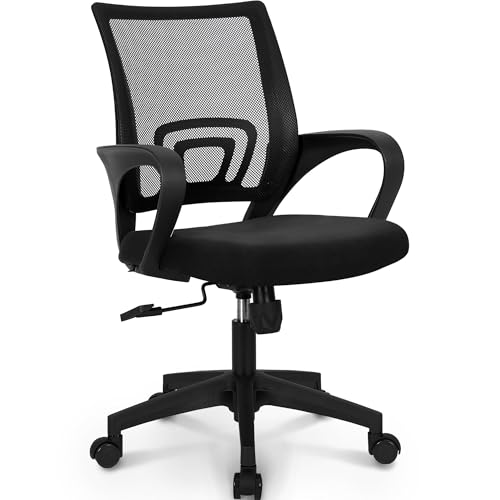
Breathable mesh backrests prevent heat and moisture buildup during intensive practice or recording sessions. High-density mesh allows continuous airflow, which keeps you cool under studio lights or in warm home office spaces. Cushion padding with fabric finishes also supports your lower body without the clingy warmth common to cheap synthetic leather. That air circulation helps you maintain comfort and focus through demanding songwriting or rehearsal marathons.
Do caster wheels damage flooring during guitar practice?
Standard hard plastic casters can mark sensitive hardwood floors, whereas smooth PU-edged casters roll quietly and protect surfaces. Smooth rolling wheels allow quiet movement around recording gear without generating loud squeaks on audio tracks. If you use a stationary music stool instead of a rolling task chair, rubber or anti-slip floor pads keep the frame firmly anchored. Checking caster wheel composition ensures your studio floor remains protected during frequent playing sessions in 2026.




Write Your Review
No reviews yet. Be the first to share your experience!