

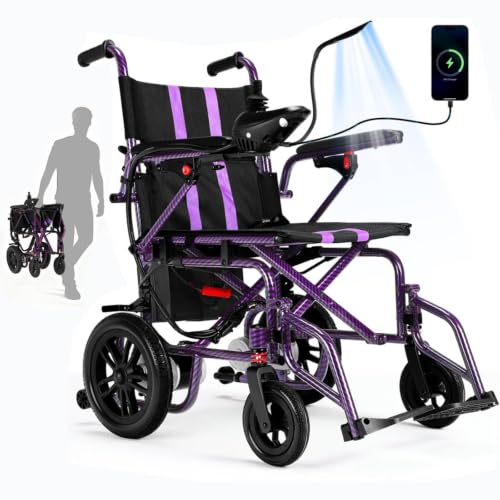
Navigating through tight hallways and rolling over outdoor thresholds requires dependable stability and comfort. Rough terrain or worn treads can cause unpleasant vibrations, making daily trips across neighborhood pavements unnecessarily tiring. Upgrading to the best electric wheelchair wheels gives users reliable traction, smoother rolling performance, and peace of mind on grass, gravel, and hardwood floors. Much like pairing daily tasks with supportive seating for back comfort, having the right mobility base prevents physical fatigue and fosters spontaneous movement.
Modern power chairs feature solid construction, responsive electronic braking, and sturdy frames that handle daily commutes with ease. Based on our detailed comparison of frame material, tire tread patterns, and user feedback, buyers prioritize durability and puncture resistance above all else. Solid polyurethane designs and deep-tread rear casters eliminate flat tires while delivering steady shock absorption indoors and out. Whether you need compact maneuverability for apartment living or durable performance across uneven sidewalks, investing in quality wheels ensures every ride remains stable, comfortable, and secure.




Frequently Asked Questions
What are the main differences between pneumatic and solid polyurethane wheels?
Solid polyurethane wheels require zero inflation and never go flat, whereas pneumatic tires offer air-cushioned shock absorption. Polyurethane options provide puncture-proof durability on pavement and gravel. Many power chair users prefer solid tires to avoid roadside flats during outdoor travel. Air-filled tires can deliver a slightly softer ride on bumpy surfaces, but they require regular pressure checks and tube maintenance.
How do anti-tip wheels improve safety on inclines and ramps?
Anti-tip wheels prevent the wheelchair from tipping backward when navigating steep ramps or sudden accelerations. These small rear-mounted caster wheels touch the ground only when the chair tilts past a safe angle. Most motorized chairs include built-in rear safety casters to stabilize rides across 12-degree inclines. This design feature provides crucial stability for users maneuvering outdoors without assistance.
Can motorized wheelchair wheels damage indoor hardwood or laminate flooring?
Most non-marking rubber and polyurethane wheels are safe for hardwood, tile, and laminate floors. Smooth tread designs distribute weight evenly to prevent scuff marks and deep gouges during sharp turns. Regular cleaning helps remove trapped grit from treads that could scratch delicate surfaces. Indoors, pairing a smooth floor setup with adjustable ergonomic seating keeps living and working spaces accessible.
How often should power wheelchair wheels and casters be replaced?
Replacement is typically recommended every two to three years depending on daily mileage and outdoor terrain exposure. Visible tread wear, persistent wobbling, or cracks in the rubber indicate that wheels need immediate replacement. Checking caster bearings periodically ensures smooth 360-degree rotation and prevents unexpected steering drag. Keeping bearings clean from dirt and carpet fibers significantly extends wheel life.
What wheel size is best for navigating mixed outdoor terrain like grass and gravel?
Larger rear drive wheels measuring between 9 and 12 inches perform best across rough outdoor surfaces. Wider diameters roll over lawn grass, gravel paths, and uneven sidewalks without getting bogged down. Front casters with integrated shock-absorbing springs help cushion bumps before they reach the seat frame. For community rooms and living spaces, placing durable guest seating nearby offers a comfortable resting spot.