

Have you noticed scratches on your glass table top? It’s frustrating when your beautiful piece of furniture gets marred by those annoying marks. Luckily, removing scratches from a glass table top doesn’t require fancy tools or expensive treatments. Whether you’re dealing with light surface scratches or more noticeable gouges, there are simple solutions at hand.
Start with the basics: cleaning the surface thoroughly to eliminate any dirt or grime. This is essential for ensuring your scratch removal process works effectively. If the scratch is minor, a glass polishing compound might do the trick. For deeper scratches, you might need to bring out a bit of elbow grease, but with the right method, you can make your table look almost as good as new.
If you want to tackle those scratches with a more DIY approach, using materials like toothpaste, baking soda, or even toothpaste can provide surprising results. It’s all about gently buffing the surface to level out the scratch without causing further damage to the glass. Plus, these techniques are budget-friendly and easy to execute, so you won’t need to call in a professional just yet!Ready to tackle those pesky scratches? Whether you’re a DIY enthusiast or just looking for an affordable solution, there’s no need to stress. A little patience and the right method can restore the sleek appearance of your glass table top in no time.
Looking at your glass table top, you might feel a bit down seeing those scratches ruining its pristine appearance. But here’s the good news: you don’t have to live with them forever! Whether it’s from everyday use or that unfortunate accident, restoring your glass table top is easier than you think.
Instead of stressing over expensive repairs, why not try removing the scratches yourself? From using basic household items to specialized glass polish, there are plenty of options that can help you get rid of those marks. The trick is in the technique, if you apply the right method, your table can look just as it did when you first got it.So, don’t let those scratches drive you crazy. With the right tools and a bit of effort, you can restore your glass table top and enjoy a fresh, flawless surface once more. Let’s dive into the easy steps you can follow to make it happen!
Pros
- Effectively removes scratches and restores the original brushed finish on non-coated stainless steel.
- Simple process with included test strip to ensure compatibility and prevent mistakes.
- Compact kit is easy to store and use for spot repairs on furniture and appliances.
- Suitable for homeowners, renters, and Airbnb hosts looking to maintain clean, like-new stainless steel surfaces.
Cons
- Only works on non-coated stainless steel; incompatible with fingerprint-resistant, smudge-proof, or mirror-finish surfaces.
- Limited to about 20-25 scratches per kit, which may require repurchase for larger projects.
- Requires careful attention to grain direction and straight application for best results; not a quick fix for casual users.
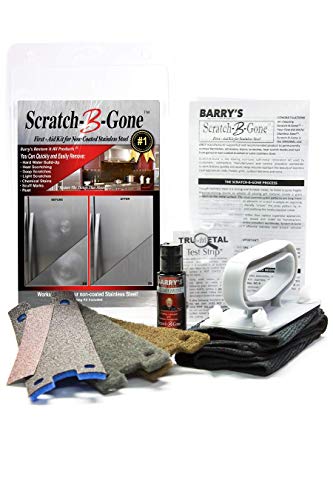
The Barry's Restore It All Scratch-B-Gone Homeowner Kit is a specialized product designed to remove scratches, rust, discoloration, and other blemishes from non-coated brushed or satin stainless steel. While it is not a piece of furniture itself, it serves as a practical maintenance tool for homeowners, apartment renters, and anyone who owns stainless steel furniture or appliances. This kit is particularly useful for preserving the appearance of kitchen islands, bar carts, dining table bases, cabinet fronts, and other stainless steel surfaces that see daily use.
This product is best suited for U.S. homeowners and renters who have non-coated stainless steel items and want to keep them looking pristine without replacing expensive pieces. It is also ideal for families with young children who might scratch surfaces, or for Airbnb hosts who need to maintain a polished look between guests. The kit includes a Tru-Metal Test Strip to confirm compatibility, which is a thoughtful addition to prevent accidental damage.
In terms of real-world performance, the Scratch-B-Gone kit effectively restores the original brushed grain when applied correctly. Users must work in the direction of the grain and apply even pressure, which can take a bit of practice. The results are permanent, not just a cover-up, making it a reliable solution for scratches, heat marks, and light rust. However, it will not work on coated stainless steel (e.g., fingerprint-resistant or smudge-proof finishes), so checking compatibility is critical.
Build quality is reflected in the kit's components: the abrasive pads and polishing compound are formulated specifically for non-coated stainless steel. There is no solid wood, metal frame, or upholstery here – the product is a chemical-mechanical repair system. The test strip is a valuable feature that helps avoid mistakes on expensive furniture. The kit is compact and easy to store under a sink or in a utility drawer.
Setup and use are straightforward: test a small area, then rub the scratch in the direction of the grain. No assembly is needed, but users should follow the instructions carefully. Cleaning is minimal – just wipe away any residue after treatment. The main limitation is the kit's scope: it handles about 20-25 scratches, which may not suffice for heavily damaged surfaces. Also, it requires patience and attention to detail; rushing can lead to uneven results.
Overall, this kit is a practical buying recommendation for anyone with non-coated stainless steel furniture or appliances who wants to extend their lifespan and maintain a clean, modern appearance. It is especially valuable for living room and dining room pieces like bar carts or console tables, as well as kitchen appliances. While it is not a universal solution, it addresses a common household issue effectively. For homeowners and renters alike, it offers a cost-effective alternative to replacing scratched stainless steel items.

Pros
- Effective at removing light to moderate scratches and water stains
- Complete kit with everything needed for a DIY restoration
- Easy 3-step process suitable for beginners
- Hydrophobic sealant adds long-lasting protection
Cons
- Manual polishing may require effort for deeper scratches
- Results vary depending on scratch depth and glass condition
- Kit is designed for glass surfaces only, not for plastic or acrylic
This cerium oxide glass polishing kit from aqootbul is a practical solution for anyone looking to restore clarity to their vehicle's windshield, headlights, or even household glass surfaces. While it's not a furniture product in the traditional sense, it serves a valuable role in home and automotive maintenance, helping you keep glass surfaces like shower doors, glass tabletops, and mirrors looking clear and new.
Best suited for U.S. homeowners, apartment renters, and car owners who prefer DIY repairs, this kit offers a straightforward way to tackle common glass blemishes. The product description highlights its ability to erase stubborn scratches, water spots, wiper marks, and swirl marks, making it a versatile addition to your cleaning arsenal. For those who value a clean, polished home environment, this kit can help maintain the appearance of glass elements in your living space.
The kit includes a professional-grade cerium oxide polish, a protective sealant, a manual polishing tool, a microfiber cloth, gloves, a scraper, and protective tape. The 3-step process (clean, polish, seal) is designed for beginners and requires no rotary tools, which adds to its convenience. Many users may prefer this kit for its all-in-one approach, eliminating the need for additional purchases.
In terms of performance, the cerium oxide formula provides effective cutting power to remove light to moderate scratches and water stains. The included sealant adds a hydrophobic layer that repels water, bird droppings, and road grime for up to 6 months, which can help keep glass surfaces cleaner for longer. However, for deeper scratches or heavily damaged glass, results may vary, and manual polishing may require some elbow grease.
One realistic limitation is that this kit is specifically designed for glass surfaces, so it won't work on plastic headlights or acrylic windows. Additionally, the manual polishing tool may not be as efficient as a rotary buffer for larger areas, but it offers precise control for smaller jobs. Assembly is not applicable, but the kit is ready to use out of the box with clear instructions.
Overall, this glass polishing kit is a practical investment for homeowners, apartment renters, and car owners who want to restore clarity to glass surfaces without professional costs. It's particularly useful for maintaining shower doors, glass tabletops, mirrors, and vehicle windows. If you're looking for an affordable, beginner-friendly solution to improve the look of your glass fixtures, this kit is worth considering.
Pros
- Easy to use with a standard drill for DIY repair
- Works on a wide range of glass surfaces including mirrors and auto glass
- Comes with all necessary components for a complete repair
- Step-by-step guide with images helps users achieve good results
Cons
- Requires a drill, which may not be available to all users
- Best suited for small to medium scratches; deep damage may still require professional help
- Some users may need to practice on a scrap piece of glass first
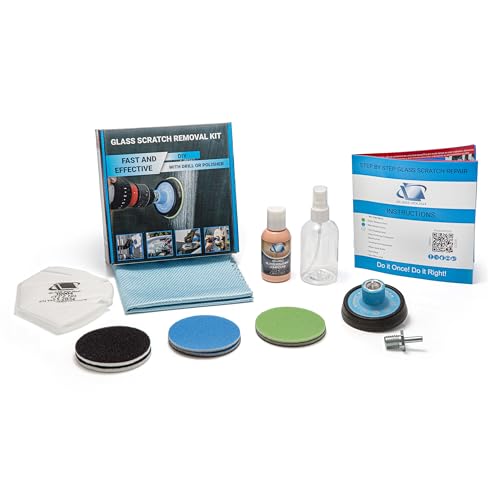
If you're dealing with scratches, scuffs, or etching on glass surfaces around your home or car, the Glass Polish 3-Inch Scratch Removal Kit offers a practical DIY solution. This kit is designed for use with a standard electric drill, making it accessible for homeowners, apartment renters, and car owners who want to restore glass without the cost of professional repair services.
This glass repair kit is best suited for a variety of users including U.S. homeowners looking to fix scratched windows or mirrors, apartment renters needing to remove surface damage on glass tables or shower doors, and car owners wanting to restore windshields or side windows. It's also a handy tool for small-space dwellers, college students, and Airbnb hosts who want to maintain glass surfaces without hiring a specialist.
In real-world use, the kit performs well on small to medium scratches, scuffs, and light etching. The 3-inch pads allow for faster sanding compared to smaller discs, and the included polishing compound helps achieve a smooth, clear finish. The kit is safe for use on all glass types including mirrors, automotive glass, laminated glass, and tempered glass, which adds to its versatility around the house or garage.
The build quality of the kit components is decent for a DIY product. The backing pad attaches securely to a drill, and the included felt polishing pads and abrasive discs are designed to handle multiple repairs. The kit also comes with a 1.7-ounce bottle of polishing compound, a water spray bottle, and a glass cleaning cloth. While the materials aren't industrial-grade, they are sufficient for occasional home use and provide good value for the price.
Setup and use are straightforward. You'll need a drill, which is not included, but the step-by-step instructions with images make the process easy to follow. Cleaning up after use is simple, as the compound and water can be wiped away with the included cloth. One limitation is that deep or extensive scratches may not be fully removed, and users should manage expectations accordingly. For best results, practice on a small, inconspicuous area first.
Overall, this Glass Polish kit is a practical choice for DIY glass repair in the living room, bedroom, home office, or car. It's especially useful for maintaining mirrors, glass tabletops, windows, and automotive glass. While it won't replace professional repair for severe damage, it offers a cost-effective way to handle everyday scratches and scuffs, making it a valuable addition to any home toolkit.
Pros
- Effectively removes light to moderate scratches from acrylic furniture surfaces.
- Complete kit includes polish, cloths, and instructions - no additional purchases needed.
- Compact and easy to store - perfect for apartment dwellers with limited space.
- Works on a variety of acrylic items - from furniture to picture frames and more.
- Affordable alternative to professional refinishing or replacement.
Cons
- May require multiple applications for deep or heavy scratches.
- Best suited for flat or gently curved surfaces; may be trickier on intricate shapes.
- Requires careful following of instructions to avoid hazing or uneven finish.
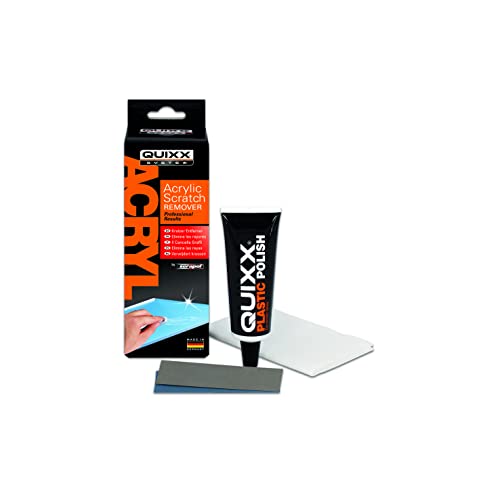
The QUIXX Acrylic Scratch Remover is a handy maintenance product designed specifically for clear acrylic and plexiglass surfaces, making it an excellent companion for modern furniture owners. Acrylic furniture - like coffee tables, side tables, display shelves, and even some desk surfaces - is prized for its transparent, lightweight look that opens up small spaces. Over time, everyday use can leave fine scratches that dull the finish. This kit offers a straightforward way to restore clarity without replacing the entire piece.
This scratch remover is especially useful for U.S. homeowners, apartment renters, and small-space dwellers who rely on acrylic furniture to create an airy, uncluttered feel. It's also a smart buy for home office users with clear acrylic desk accessories or patio fans with acrylic side tables. The kit works well for families too, helping keep acrylic surfaces looking fresh despite daily wear. Even Airbnb hosts can use it to maintain the pristine appearance of stylish acrylic accent pieces between guests.
In real-world use, the product delivers on its promise for shallow to moderate scratches. The included polish and cloths make the process simple - apply, buff, and wipe. Users report noticeable improvement in clarity after a single application, with deeper scratches needing a second pass. The product is safe on all acrylic and plastic surfaces, so you can use it on picture frames, display cases, or even clear storage bins that have become cloudy over time.
The kit itself is compact and well-organized, containing the polish, applicator pads, and a buffing cloth. No extra tools are needed. The instructions are clear and easy to follow, which is a plus for anyone who wants a no-fuss repair. While the process takes only a few minutes per scratch, you'll want to work in a well-lit area and be patient during the buffing step. The results are generally smooth and even, though very deep gouges may remain visible.
One realistic limitation is that this remover is best for flat or slightly curved surfaces. Acrylic furniture with intricate edges or textured designs may not polish as evenly. Additionally, following the directions precisely is important to avoid creating a hazy finish. But for straightforward scratches on table tops or shelves, the QUIXX kit is a practical, cost-effective alternative to professional repair or replacement.
For anyone who owns clear acrylic furniture - whether a modern dining table, a floating shelf, or a minimalist desk - this scratch remover is a worthwhile addition to your cleaning kit. It helps preserve the investment you've made in your home's decor and keeps those see-through surfaces looking as good as new. It's not a magic eraser for deep damage, but for typical light wear, it's one of the most accessible solutions on the market.

Pros
- High purity level delivers effective scratch removal on glass furniture
- Works on multiple surfaces including mirrors, windows, and glass shelves
- Small amount goes a long way for multiple restoration projects
- Easy to use with a felt pad or microfiber cloth
Cons
- Requires some elbow grease and patience for deep scratches
- Not suitable for plastic or acrylic surfaces
- Dust can be fine; use with a mask and gloves for safety
This cerium oxide powder is a specialized glass polishing compound designed to remove scratches, water spots, and surface imperfections from a variety of glass surfaces. While it is not a piece of furniture itself, it is an essential tool for maintaining the pristine look of glass furniture such as coffee tables, dining table tops, display shelves, and mirrors. Homeowners, apartment renters, and interior decor shoppers who value clean, clear glass surfaces will find this product particularly useful.
In real-world use, the powder effectively tackles light to moderate scratches and stubborn water spots on glass. It works best when mixed with water to form a paste and applied with a felt pad or microfiber cloth using circular motions. The optical-grade formulation helps restore clarity without leaving streaks or haze. However, deep gouges or etched damage may not be fully removed, and users should expect some physical effort for best results.
The product is built around high-purity cerium oxide (99.96% TREO) which is known for its polishing efficiency. It is safe for all common glass types including tempered and laminated glass, which are often used in furniture and home decor. The 3.52 oz container is compact yet economical, as only a small amount is needed per application. This makes it a cost-effective choice for both small touch-ups and larger restoration projects.
Using the powder is straightforward: mix a small amount with water to create a slurry, apply to the glass, and buff with a felt pad or drill attachment. The process can be a bit messy if not careful, but cleanup is simple with water and a soft cloth. Storage is easy thanks to the resealable container, which fits neatly under a sink or in a cleaning drawer.
One realistic limitation is that the powder is not a miracle cure for deep scratches or cracks; it is best suited for fine surface damage. Also, because it is a fine dust, users should wear a dust mask and gloves to avoid inhalation and skin irritation. Additionally, it is not intended for use on plastic or acrylic surfaces.
Overall, this cerium oxide powder is a smart investment for anyone looking to extend the life and beauty of their glass furniture and home decor. It is especially recommended for homeowners with glass tabletops, renters with large mirrors, or anyone who wants to restore glass surfaces without the expense of replacement. With proper technique, it delivers professional-looking results at a fraction of the cost.

Pros
- Effectively removes scratches, water spots, and acid etching from glass surfaces common on furniture and decor
- Safe for all glass types, including tempered glass used in coffee tables and shelving
- Kit includes everything needed, so you don't have to buy additional items separately
- Clear instructions and video support make the process accessible for DIY homeowners
Cons
- Requires a rotary polisher (not included), which may be an extra expense for occasional users
- Polishing glass takes time and care; results depend on user technique and scratch depth
- Larger or deeper scratches may require multiple passes, and some severe damage may not be fully removable
If you own glass furniture, mirrors, or windows, scratches and etching can quickly make them look worn and outdated. The Glass Polish PRO scratch removal kit is designed to restore clarity and smoothness to damaged glass surfaces, making it a practical tool for homeowners, apartment renters, and interior decor shoppers who want to refresh their space without replacing expensive pieces. This isn't a furniture item itself, but a restoration kit that helps revive glass tabletops, cabinet doors, shower doors, and even patio furniture glass.
The kit is best suited for U.S. homeowners looking to maintain their home's appearance, small-space dwellers with mirrored closet doors or glass shelves, and Airbnb hosts who need to keep rental properties in top condition. For families with kids or pets who accidentally scratch glass surfaces, this product offers a cost-effective repair alternative. It's also valuable for college students furnishing dorms with secondhand glass furniture that needs a little TLC.
In real-world use, the kit works with a rotary polisher (not included) to grind away scratches and etching. Users can expect to remove light to moderate scratches, water spots, and even graffiti or acid etching. The abrasives come in different grits, allowing a step-by-step polishing process that gradually refines the surface. According to the product description, it's safe for all glass types including laminated, tempered, and mirrors, which is crucial for home applications where safety glass is common. The included 500ml spray bottle and polishing compound keep the glass lubricated during work, and the felt pads help achieve a high-gloss finish.
Build quality is professional-grade, with a 5-inch backing pad that fits standard polishers. The abrasives are color-coded for easy identification, and the kit includes gloves and a cleaning cloth. While the product itself is a collection of tools and compounds, the components feel durable and well-made for repeated use. The instructions are multilingual with clear pictures, and a QR code links to video guides, which is very helpful for first-time glass polishers. Maintenance after restoration is simple: just clean the glass normally with a non-abrasive cleaner.
A realistic limitation is that this is a specialized repair kit, not a quick fix. Deep scratches may not fully disappear, and the process requires patience and proper technique. Also, you need a rotary polisher, which some homeowners may not own. The price of $75.95 reflects professional-grade quality, but occasional users might find it steep for a single repair. That said, for multiple repairs across the home, it offers good value.
Overall, this glass scratch removal kit is a smart buy for anyone with glass furniture or decor who wants to restore its original look. It's particularly useful for living room tabletops, bedroom mirrors, home office glass desks, or patio glass doors. If you're handy with tools and willing to follow instructions, it can breathe new life into scratched glass surfaces, saving the cost and hassle of replacement. For interior decor shoppers committed to maintaining their home's aesthetic, this kit is a worthwhile addition to the toolbox.
How to Remove Scratches from a Glass Table Top: Effective Methods
Glass tables can be stunning additions to any room, but they can also be a pain to maintain. One of the most common problems that owners face is scratches, which can quickly ruin the sleek and shiny appearance of the glass. Whether you’re dealing with minor scuffs or deeper gouges, you want an easy, effective solution that doesn’t involve costly professional repairs. Luckily, there are a number of DIY methods to restore your glass table to its former glory. In this guide, we’ll explore various techniques that can help you remove scratches from a glass table top without breaking the bank.
Common Causes of Scratches on Glass Table Tops
Glass surfaces, while elegant, are prone to scratches, and it often happens unintentionally. From moving objects across the table to dropping items like keys or dishes, the reasons behind scratches can be quite varied. The damage may not always be noticeable at first, but over time, these marks accumulate and can significantly impact the overall aesthetic of the table. Some common causes include:
- Heavy objects or furniture dragging across the table
- Sharp-edged items like plates, cups, and other utensils
- Contact with abrasive materials like sand or dirt
- Accidental drops of metal or glass items
Understanding the root causes can help you better prevent scratches in the future and also guide you toward the most suitable repair methods. Now, let’s explore how you can remove scratches from a glass table top using a few tried-and-tested techniques.
Simple Household Solutions to Remove Scratches
One of the biggest advantages of fixing scratches on a glass table top yourself is that many of the materials needed are already lying around your home. From toothpaste to baking soda, there are several easy solutions that can restore the smoothness of your glass surface without requiring any special tools or skills.
Toothpaste is one of the most popular methods for tackling light scratches. Its mild abrasive properties work well for buffing out fine marks. Simply apply a small amount of toothpaste to the scratch and gently rub it in using a soft cloth or cotton ball. After a few minutes, wipe it clean with a damp cloth, and you should notice the scratch has been minimized. This method is particularly effective for minor scratches that haven’t penetrated too deeply into the glass.
Another common option is baking soda, which is both cheap and accessible. Mix baking soda with a little water to form a thick paste, then apply it to the scratched area using a soft cloth. After a few minutes of gentle rubbing, wipe the area clean with a damp cloth. This method works similarly to toothpaste and is perfect for treating small, superficial scratches.
Alternatively, if you’re tackling a project like building your own bar-height table, you might come across similar surface issues that require scratch repair techniques. Applying these methods to a DIY furniture project can save you time and money.
Polishing and Buffing Techniques for Deeper Scratches
When the scratches are more noticeable or deeper, a little more effort may be required. Glass polish products are specifically designed to restore glass surfaces and remove imperfections like scratches. These products can often be found at hardware or home improvement stores and are formulated to handle tougher jobs.
To use glass polish, apply it directly to the scratched area and use a microfiber cloth to buff it in circular motions. Make sure not to apply too much pressure, as this can damage the surface further. Once you’ve finished buffing, wipe the glass clean with a separate cloth. You’ll see the difference immediately as the scratch fades or disappears completely.
If you’re dealing with a particularly deep scratch, consider using a cerium oxide polish. This abrasive material is designed for more serious glass restoration projects. However, you should proceed with caution, as this method is more intensive and may require a bit of practice to avoid damaging the glass. If unsure, you might want to test it on a smaller, less visible section first.
Preventing Future Scratches on Your Glass Table Top
Once you’ve successfully removed scratches from a glass table top, the next step is to protect it from further damage. Prevention is key, and there are several steps you can take to keep your glass table looking pristine for longer.
First, consider placing a protective tablecloth or runner on top of your glass table, especially when hosting dinner parties or placing heavy items on the surface. This will help prevent accidental scratches from occurring. You can also invest in felt pads or coasters for furniture and items that are frequently placed on the table.
Additionally, cleaning your glass table regularly and gently can help avoid surface scratches. Use a soft cloth and a mild glass cleaner to wipe the table down, avoiding any harsh chemicals or rough scrubbing that could cause further damage. Lastly, be mindful of the objects you place on the table, especially sharp or heavy ones, to minimize the risk of scratches.
If you have a workspace that requires constant protection, consider exploring the best office desk mats for hardwood floors. These mats not only protect against scratches but also help reduce wear and tear on other furniture pieces that share the same space.
When to Call a Professional for Glass Table Repair
While DIY methods are effective for most scratches, there are times when calling a professional for glass table repair may be your best option. For instance, if the scratch is particularly deep or extensive, it may require more advanced tools or techniques that are beyond the scope of household solutions. A professional can assess the damage and recommend the best course of action.
Additionally, if the scratch is in a high-visibility area or affects the overall structural integrity of the table, it’s worth considering professional help. Glass specialists have the experience and expertise to restore the table to its original condition, often using specialized equipment that you may not have access to at home.
Final Thoughts on Removing Scratches from Glass Tables
Scratches on a glass table top don’t have to be a permanent eyesore. With the right techniques and a bit of patience, you can remove scratches and restore your table to its former glory. Whether you’re using simple household products or more advanced polishing techniques, there’s a solution for every type of scratch.
Preventing future damage is just as important as fixing the current scratches. By following the tips above, you can keep your glass table looking beautiful for years to come. However, if the damage is too severe, don’t hesitate to reach out to a professional for expert repair. Glass tables are investments, and keeping them in top shape is well worth the effort.
B007CJJLIYHow to Remove Stains from a Glass Table Top: Advanced Techniques and Tips
After tackling those surface scratches, you may find yourself facing another challenge: stains. While scratches might be more noticeable, stubborn stains on a glass table can leave your furniture looking dull and neglected. Whether it’s watermarks, food stains, or ink smudges, knowing the right techniques can help you restore the shine and cleanliness of your glass surface. In this section, we’ll explore advanced methods to remove stains from a glass table top and keep your table looking spotless for longer.
Understanding Different Types of Stains on Glass Tables
Before diving into the cleaning methods, it’s essential to understand the different types of stains that commonly affect glass tables. Each type of stain may require a different approach to ensure effective removal without damaging the surface. The main culprits include:
- Water stains – Often caused by condensation or spills that leave a cloudy residue on the glass.
- Oil-based stains – These stains can result from food, greasy fingers, or oily substances.
- Ink or marker stains – Ink or permanent marker stains can sometimes seem impossible to remove but are manageable with the right tools.
- General dirt and grime – Accumulated dust, dirt, and other particles can leave a dull, greasy film on your glass table.
Each of these stains requires a different cleaning method. If you’re facing any of these issues, knowing how to handle them effectively will help you maintain your table’s appearance for years to come. Let’s go over the cleaning techniques you can use to remove stains from a glass table top.
Using Household Solutions for Stain Removal
When it comes to stain removal from glass tables, many of the most effective solutions can be found right in your home. Household products like vinegar, baking soda, and dish soap are affordable and non-abrasive, making them excellent choices for tackling stains without causing damage to the glass surface.
Vinegar is a powerful and natural cleaner that works wonders on water stains and general grime. Simply mix equal parts vinegar and water in a spray bottle, spray it onto the stained area, and wipe it off with a soft cloth. For tougher stains, you can leave the vinegar solution on the surface for a few minutes before wiping it away.
Baking soda can also be an excellent tool for lifting grease or oil stains. Mix it with a small amount of water to create a paste, then apply it to the stained area. After letting it sit for a few minutes, gently scrub the surface with a microfiber cloth. For stubborn oil stains, this method can be particularly effective.
If you have a particularly tough stain, you may find yourself looking for additional cleaning resources. For example, you can learn more about removing stains from wooden surfaces, as these techniques often overlap with those used on glass tables.
Advanced Cleaning Solutions for Persistent Stains
For more stubborn stains, you might need to employ more specialized cleaning techniques. Some stains, like ink or permanent marker marks, require a bit of extra attention to remove without causing damage to the glass surface.
Rubbing alcohol is particularly effective for removing ink stains. Simply apply a small amount of rubbing alcohol to a cotton ball and gently rub it over the stained area. The alcohol will break down the ink, making it easier to wipe away.
Glass cleaner can be used for general cleaning after treating the stains with the above methods. A good quality glass cleaner will not only remove any remaining streaks or smudges but will also leave the table looking shiny and polished. Be sure to choose a cleaner that is specifically designed for glass to avoid causing any damage.
Preventing Future Stains on Your Glass Table
While you can effectively remove stains from a glass table top, prevention is always the best approach. By taking a few simple steps to protect your glass table, you can minimize the risk of stains and keep your table looking new for longer.
Start by placing coasters, placemats, or protective table runners on your glass surface, especially when eating or drinking. This will help catch any potential spills and prevent them from seeping into the glass. Additionally, using felt pads or soft cushions underneath decorative objects or furniture will help reduce the chances of stains and scratches.
Regularly cleaning your table with a gentle glass cleaner can help maintain its shine and remove any dust or debris before they settle and cause stains. It’s also essential to promptly clean up any spills to prevent them from setting into the surface.
When to Call for Professional Glass Table Repair
Despite your best efforts, there may be times when a stain or scratch is too severe to handle on your own. If you’ve tried all the DIY methods and the stain remains, it may be time to consider professional help. A glass repair specialist has the tools and expertise to remove stubborn stains and restore your table to its original condition.
Professionals can use high-end products and techniques to address deeper issues, like embedded stains or scratches that cannot be treated with home solutions. Additionally, they can ensure that your glass table is properly treated and cared for, extending its lifespan.
Final Thoughts on Removing Stains from Glass Tables
Removing stains from a glass table top doesn’t have to be an overwhelming task. With the right cleaning methods and a bit of patience, you can restore the beauty and shine of your glass surface. Whether using simple household products or more advanced techniques, there are solutions for every type of stain.
Prevention is key to keeping your glass table in top shape. By using protective measures like coasters and regularly cleaning your table, you can minimize the risk of future stains and ensure your table continues to shine. If you ever encounter particularly stubborn stains, don’t hesitate to consult a professional for a thorough and effective solution.