

Water stains on your wood table can be frustrating. Whether from a spilled drink or a forgotten glass, these marks can make your furniture look worn. But don’t worry, there are some easy solutions that will restore the natural beauty of your wood table without much hassle.
First off, prevention is key, but when stains appear, you can try a few methods to remove them. Household items like toothpaste, baking soda, or even mayonnaise can work wonders on minor stains. Gently buffing the surface with these ingredients often lifts the stain without damaging the finish.
Another approach is to use a steam iron, which can lift moisture from under the surface and help remove marks. Just be careful not to leave the iron on too long, or you could damage the finish. If the stains are more persistent, you might need a specialized wood cleaner or polish designed to target deeper stains.
Remember, every wood table is different. It’s essential to test any cleaning method on a hidden area first to ensure it won’t affect the surface. Patience and the right technique will have your wood table looking fresh and flawless once again.
Struggling with water stains on your wood table? It’s a common issue, but thankfully, it’s not an impossible one to fix. A little water spill can lead to unsightly marks on your cherished furniture, and knowing how to get rid of them without damaging the wood is crucial. Many methods exist that use household items or simple tools, and in most cases, you’ll see a noticeable improvement.So, if you’ve found yourself staring at those pesky water stains, it’s time to tackle them head-on. From baking soda to steam irons, there are plenty of ways to get your table back to its original shine. With the right approach, you can restore your table’s natural beauty without worrying about the stain sticking around for good. Whether it’s a quick fix or a more involved solution, you’ll find a method that works for you!
Pros
- Non-toxic and safe for indoor use around family and pets.
- Dries quickly with minimal odor, perfect for fast projects.
- Easy cleanup with water, reducing hassle and solvent use.
- Enhances natural wood grain beautifully.
Cons
- Must be applied to bare sanded wood; won't adhere to existing finishes.
- Limited to indoor use only.
- Small 8.5 oz size may not cover larger projects.
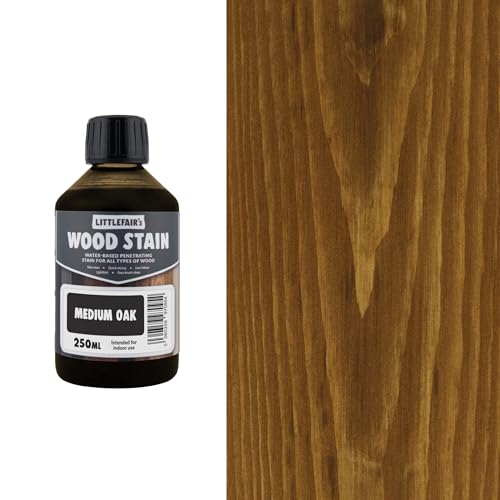
Littlefair's Medium Oak Water Based Wood Stain is a practical solution for homeowners, apartment renters, and DIY enthusiasts looking to refresh indoor wood furniture with a safe, eco-friendly product. This stain is designed for bare, sanded wood, allowing it to soak in and accentuate the natural grain, adding depth and character to tables, chairs, shelves, doors, and more. Its water-based formula is free from toxic chemicals, making it a smart choice for families, home office users, and anyone sensitive to strong odors.
In real-world use, this stain delivers a fast-drying finish with minimal odor, which is a major advantage for indoor projects where ventilation may be limited. You won't have to wait long between coats or deal with lingering fumes, keeping your project on track. The medium oak color provides a warm, classic look that blends well with various decor styles, from modern to farmhouse, making it versatile for living rooms, bedrooms, dining areas, and home offices.
Build quality is straightforward: the stain is easy to apply with a brush or cloth, and cleanup requires only water, saving time and preserving your tools. However, it's crucial to note that this stain must be applied to bare wood. If you try to use it over an existing finish, it will run off and not adhere properly. This means you'll need to sand or strip previous coatings before application, which adds prep time but ensures a lasting result.
For small-space dwellers, college students, or Airbnb hosts, this stain is an excellent way to upcycle thrifted or worn furniture without harsh chemicals. A small bottle can refinish a chair or small table, making it a budget-friendly option. The 8.5 oz size is convenient for touch-ups or small projects, but larger items like dining tables or multiple chairs may require multiple bottles.
One realistic limitation is that this stain is for indoor use only, so it's not suitable for patio furniture or outdoor projects. Additionally, because it's water-based, it may raise the wood grain slightly, requiring light sanding between coats for a super-smooth finish. Overall, this stain offers a safe, effective way to rejuvenate indoor wood furniture, and its eco-friendly formula is a standout for health-conscious buyers.
For U.S. homeowners, apartment renters, and DIY decorators seeking a non-toxic, low-odor wood stain, Littlefair's Medium Oak is a reliable choice. It's best suited for small to medium indoor projects where you want to highlight natural wood beauty without compromising on safety or convenience. Just remember to prep your surface properly, and you'll achieve a professional-looking finish.
How to Get Water Stains Off Wood Table: Quick Fixes and Effective Methods
Water stains on a beautiful wood table can be a real pain, especially when they refuse to budge. Whether it’s from a spilled drink or a forgotten coffee cup, these unsightly marks can make your wood furniture look worn and neglected. The question is, how do you restore its former glory without damaging the wood? The good news is, it’s possible to get rid of those stubborn water stains with a few simple techniques, and we’ll show you how.
Understanding the Types of Water Stains
Not all water stains are created equal. Water stains can either be white, cloudy marks or dark, soaked-in spots. White or cloudy stains are typically caused by moisture trapped under the surface finish, whereas dark stains usually indicate that the water has penetrated into the wood, causing damage to the wood fibers. Identifying which type you’re dealing with is the first step in choosing the right method to remove them.
For white water stains, you can often fix them without too much trouble. These stains are usually a result of moisture evaporating, leaving behind mineral deposits or air bubbles under the finish. However, dark stains are more challenging to fix and might require more intensive methods like sanding or refinishing. Knowing the type of stain helps you gauge how much effort you’ll need to put into the cleaning process.
If you’re dealing with a white water stain, chances are you’ll be able to clean it up with a simple household item. But for dark stains, you might need to pull out the big guns. Regardless of the stain type, a few tried and tested methods can help you achieve the best results without damaging your wood table.
Simple DIY Methods to Remove White Water Stains
The best approach to getting rid of white water stains on wood tables is often a simple, DIY solution. Some of the most common household items you can use include baking soda, mayonnaise, toothpaste, or even a hairdryer. These ingredients have properties that can lift the moisture trapped under the surface, helping to restore your table’s finish.
One popular method involves using baking soda. Make a paste by mixing a small amount of baking soda with water, apply it to the stain, and gently rub it in with a soft cloth. Once you’ve worked the paste into the stain, wipe it away with a clean, damp cloth. The baking soda acts as a mild abrasive that helps lift the moisture without damaging the wood’s surface.
Another effective solution is to use mayonnaise. Apply a small amount to the stain and let it sit for about 10 minutes before buffing it away with a soft cloth. The oil in the mayonnaise helps to loosen the moisture, making it easier to wipe away. While it might sound strange, this method is a popular and surprisingly effective way to deal with white water stains.
Using Heat to Remove Stubborn Water Stains
If the DIY solutions don’t do the trick, heat is another method you can try. Heat can help to lift the moisture trapped beneath the surface of the wood. One common technique involves using a hairdryer or steam iron to gently apply heat to the stained area.
With a hairdryer, set it to the medium heat setting and hold it about 6 inches above the stain. Move the hairdryer back and forth over the area for about 2–3 minutes. As the heat hits the moisture, it will start to evaporate, and the stain should begin to fade. Be cautious not to apply too much heat in one spot, as this can cause the wood to warp or the finish to melt.
Alternatively, you can use a steam iron. Simply place a clean cloth over the stain, and then hover the steam iron over it (do not let the iron touch the wood). The steam will penetrate the cloth and help lift the moisture out. This method can be particularly effective for more stubborn white stains.
Dealing with Dark Water Stains
Dark water stains, unfortunately, are more difficult to remove, as they indicate that the water has seeped deep into the wood. While there’s no guarantee that you can completely restore your table to its original state, there are a few methods you can try. These methods involve sanding or refinishing the affected area.
One of the most common approaches is to use sanding to remove the stain. Start by gently sanding the affected area with a fine-grit sandpaper, working with the grain of the wood. Be careful not to sand too aggressively, as this can damage the surface. After sanding, apply a fresh coat of finish or stain to match the rest of the table. This method can be time-consuming, but it’s often necessary for dark, deep stains.
If you’re not comfortable sanding the table yourself, you can also try using a wood cleaner specifically designed for removing dark stains. These cleaners often contain chemicals that can break down the stains and restore the wood’s appearance. Follow the manufacturer’s instructions carefully, as each product may have different application methods.
Preventing Future Water Stains
Once you’ve successfully removed the water stains, you’ll want to prevent them from reappearing. Prevention is always the best approach, and there are several ways you can keep your wood table in top condition. Start by applying a high-quality furniture polish or wax to create a protective barrier on the surface. This will help seal the wood and prevent moisture from penetrating in the future.
Additionally, you can use coasters, placemats, or tablecloths to protect your wood table from spills. Even if you don’t have a glass of water sitting on the table, these items can help prevent heat and moisture from causing damage. It’s also a good idea to clean up any spills immediately to prevent moisture from sitting on the surface for too long.
What If DIY Methods Don’t Work?
If you’ve tried all of these methods and the water stains are still there, it may be time to seek professional help. Furniture restoration experts can assess the condition of your table and recommend the best course of action, whether it’s refinishing or re-staining the wood. Professional services may also be able to match the finish and stain perfectly to ensure the table looks as good as new.
Don’t let water stains ruin your beautiful wood furniture. With the right tools, techniques, and a little bit of patience, you can restore your table’s finish and keep it looking fantastic for years to come.
For more tips on maintaining your wooden furniture, check out this guide to crescent round tables to learn more about care for wooden surfaces.
If you’re also looking to enhance your office space, make sure to explore the best office chairs under $400 for the ultimate comfort while working.
B0104MVC7SEffective Ways to Prevent Water Stains on Your Wood Table
After you’ve managed to remove those pesky water stains from your wood table, it’s time to shift focus toward prevention. Water stains can easily sneak up on you, but with the right care and maintenance routine, you can significantly reduce their occurrence. A little proactive effort now can save you from future headaches and help keep your furniture looking pristine.
Applying Protective Coatings for Wood Tables
One of the most effective ways to prevent water stains on your wood table is by sealing it with a protective coating. This could be in the form of a wood polish, wax, or a dedicated wood sealant. These coatings create a barrier that prevents moisture from penetrating the surface, which is the main cause of water stains.
Regularly applying a coat of wax or furniture polish is an easy yet highly effective way to maintain the wood’s natural beauty and prevent water damage. Ensure that you’re using a high-quality product that’s specifically designed for wooden furniture. This will not only protect against moisture but will also add a beautiful shine to the wood surface.
If you’re unsure which product to use, consider opting for a polyurethane finish or a lacquer-based sealer, as these provide a thicker protective layer. Both options are highly resistant to water and will ensure your wood table is better equipped to handle spills and moisture.
Using Table Linens and Mats for Protection
Another simple yet effective method is using tablecloths, placemats, and coasters to protect your wood table from water spills. These items act as a barrier between your table’s surface and the moisture, preventing direct contact that could lead to stains.
When entertaining guests or having a meal, make sure you use coasters under glasses to avoid accidental water rings. A well-placed tablecloth can also protect the entire surface from potential spills. You’ll be surprised at how such small precautions can make a huge difference in preserving the wood.
It’s also important to clean up spills immediately. If something is spilled, don’t leave it sitting on the surface for too long. Even with a protective coating, it’s still best to wipe off moisture as soon as possible to avoid any potential damage.
How to Handle Wet Glasses and Hot Items
Sometimes, even with coasters and placemats, moisture can still end up on your table. One common culprit is condensation from glasses or cold beverages. When a glass sits on a wooden table, the temperature difference between the glass and the surface often causes condensation, which can lead to water rings and stains.
To prevent this, always use a coaster with a moisture-absorbing material like cork, felt, or silicone. These materials not only prevent the glass from slipping but also absorb the moisture before it reaches the wood surface. This simple practice can go a long way in keeping your table safe from those frustrating water marks.
It’s also a good idea to avoid placing hot items directly on the table, as this can cause both heat and moisture damage. Instead, use heat-resistant mats or trivets to protect the wood when placing hot pots, pans, or dishes.
Maintaining Humidity and Temperature Control
Environmental factors like humidity and temperature can also play a big role in the health of your wood table. Wood is a natural material that reacts to changes in moisture and temperature, which can lead to expansion, contraction, or water stains.
Try to maintain a consistent humidity level in your home to prevent wood from absorbing too much moisture. A dehumidifier can help keep the air dry, especially during humid months, while a humidifier can add moisture to dry air in the winter months. This will help protect your table from both warping and water stains caused by fluctuating humidity.
Keeping your table away from direct heat sources, like radiators or fireplaces, will also prevent the wood from drying out and cracking. Consistent temperatures and humidity control will help maintain the integrity of your table and prevent future water stains.
Regular Cleaning and Maintenance Routine
A key to preventing water stains is regular cleaning and maintenance. Dust and dirt can accumulate on your table’s surface, which may scratch the finish over time. This can create openings for moisture to penetrate, leading to water stains.
Use a soft cloth to regularly wipe down the surface, removing any dust or debris. It’s also a good idea to clean your table with a gentle wood cleaner every few months to keep the surface in top condition. Be sure to avoid harsh chemicals that can strip the finish and damage the wood.
By maintaining a regular cleaning routine and applying a protective coating, you’re taking proactive steps to ensure that your wood table remains in great condition, free from the threat of water stains.
Lastly, if you’re looking to furnish a small space, such as a cozy kitchen, you may want to explore the best options for small kitchen tables. These tables can also benefit from regular care and protection to ensure their longevity and beauty.