

Sturdy Support for Everyday Furniture Comfort
Deep living room cushions and low seating heights often turn relaxing into an unexpected physical struggle. When soft foam sinks under body weight, rising to a standing position places immense stress on stiff knees, hips, and joints. Investing in the best chair assists for elderly provides the physical leverage needed to stand upright without sudden strain or dangerous wobbles. Careful analysis of frame materials and weight capacities shows that the right standing aid transforms ordinary seating into a secure rest area. Many families place these stabilizing rails alongside supportive sleeping recliner chairs to ensure daily comfort and reliable joint relief.
Modern standing aids and portable seat lifts fit right into existing spaces without requiring costly room remodeling. Sturdy steel and aluminum frames slide cleanly beneath loose couch cushions or rest firmly on flat floors using non-slip rubber pads. Based on manufacturer specifications and user feedback, these tools deliver dependable sit-to-stand leverage and robust fall prevention support for peace of mind. Choosing the right aid preserves personal independence and protects home furniture from unnecessary structural strain.





Frequently Asked Questions About Furniture Standing Aids
Can chair assist rails be used on soft recliners and deep sofas?
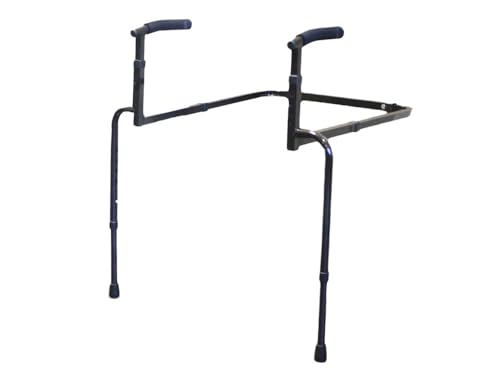
Yes, but compatibility depends strictly on cushion style and frame construction. Many standing rails feature flat support tubes that slide directly under removable cushions that measure at least four inches thick. However, units with under-cushion bases do not fit mechanical recliners with moving footrests, where freestanding floor-standing grab bars are safer. Always verify seat depth before installing rails on deep living room sofas.
What is the typical weight capacity for the best chair assists for elderly in 2026?
Most standard mobility standing aids support between 300 and 400 pounds. Heavy-duty carbon steel models accommodate up to 350 or 400 pounds, while lightweight aluminum rails generally hold up to 300 pounds. Exceeding these manufacturer load ratings can compromise joint stability and cause the frame to bend. Users should always press downward vertically on padded handgrips rather than pulling horizontally.
Do electric chair lifts damage delicate hardwood or tile floors?
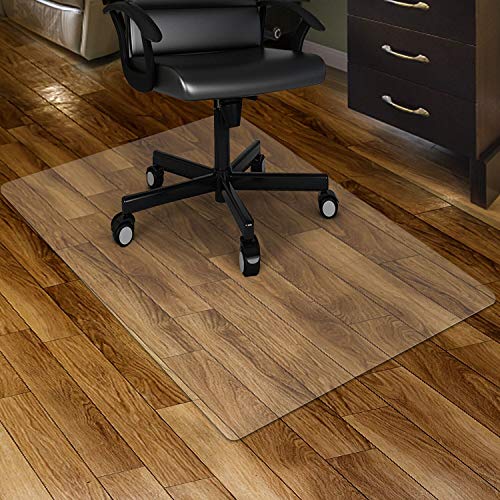
No, modern electric floor lifts and standing aids are equipped with rubber suction cups or non-skid pads to prevent scratches. Smooth tile and polished hardwood provide ideal suction surfaces for powered lifts during floor transfers. For heavy daily movement on delicate wood finishes, adding protective chair mats for hardwood floors helps shield surfaces from continuous contact.
How do self-powered lifting cushions work without batteries?
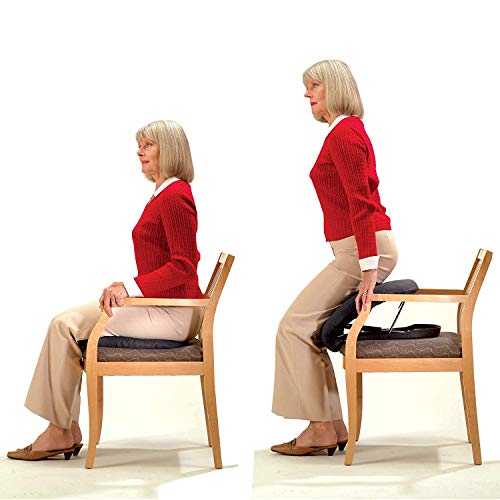
Self-powered lifting cushions rely on internal hydro-pneumatic gas springs to lift up to 70 percent of a user’s weight. As the person leans forward and begins to rise, the compressed spring gently expands to provide smooth upward assistance. These mechanical seats do not require charging cords, making them highly portable across armchairs and firm couches.
Will an under-cushion rail fit on specialized recliners or gliding chairs?
No, cushion-mounted rails usually interfere with moving footrests and swivel bases. Furniture like swivel glider recliners requires dedicated freestanding support frames with wide floor bases rather than under-cushion bars. Placing an under-cushion rail on a reclining seat can pinch the mechanical linkages. Freestanding aids positioned beside the chair offer much safer support.