

If you’re looking to add a functional, space-saving piece to your home, making a foldable table is an excellent DIY project. Not only does it help you customize a table to fit your specific needs, but it can also be a fun and rewarding challenge. Imagine the satisfaction of having a table that’s both convenient and compact, perfect for smaller spaces or multi-purpose rooms.
To start, you’ll need a few basic materials like wood, screws, and hinges, but don’t worry, it’s easier than you think! With just a bit of patience and creativity, you’ll be able to design a foldable table that suits your style and the space it’s meant to fit. Whether you’re setting up a workspace, a dining area, or a picnic table, the versatility of a foldable table cannot be overstated.
Making one can save you money and offer a personal touch that store-bought versions just can’t match. Plus, you’ll learn essential woodworking skills that will come in handy for future projects. So, roll up your sleeves and get ready to make your own practical, foldable table!
Looking to create a flexible, space-saving furniture piece for your home? Making a foldable table is a great way to combine practicality with style. This simple yet highly functional DIY project doesn’t require professional expertise, just a bit of know-how and a few tools. The beauty of a foldable table is that it can be customized to fit into various spaces, whether you’re looking for a small desk, a dining surface, or a portable solution for your outdoor activities.
With just the right materials and some step-by-step instructions, you can create a table that folds down to save space and expands when needed. The best part? You’ll be creating something that works perfectly for your needs, not just settling for something off the shelf. Let’s dive into how you can build your own foldable table, it’s easier than you might think!
Pros
- Detailed plans for 28 practical projects covering workbenches and storage
- Expert advice from American Woodworker magazine ensures reliable craftsmanship
- Space-saving designs help small workshops stay organized without sacrificing work surface
- Clear illustrations and instructions make complex builds more approachable
- Affordable paperback format is easy to reference and durable for workshop use
Cons
- Requires basic woodworking skills and tools to complete most projects
- Some advanced projects may need specialized equipment like table saws jointers, or routers
- Paperback cover can get stained or damaged in a dusty workshop environment
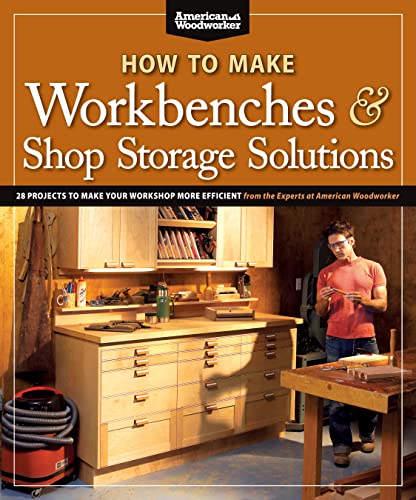
How to Make Workbenches & Shop Storage Solutions is a practical guide from the experts at American Woodworker, offering 28 projects designed to make your workshop more efficient. This paperback book focuses on building workbenches and storage units, including torsion boxes, outfeed tables, and other clever solutions. It is a valuable resource for anyone looking to upgrade their workspace with custom, well-designed furniture.
This book is best suited for U.S. homeowners with a garage or basement workshop, as well as serious DIYers and woodworking hobbyists. Even apartment dwellers with limited space might find inspiration for compact, portable workstations. The projects cater to various skill levels, from beginners to experienced woodworkers, and emphasize practical, everyday use.
Real-world performance is the core strength here. Each project is designed to improve workshop efficiency by providing sturdy work surfaces and smart storage that reduces clutter. The torsion box construction technique is highlighted for its strength and flatness, while outfeed tables help manage large stock on table saws. Users can expect a well-organized shop that speeds up projects and reduces frustration.
The book itself is a lightweight, standard-size paperback with dimensions of 7.5 x 0.54 x 9 inches and a weight of about 2.3 pounds. Its durable binding can withstand frequent flipping, though the cover may accumulate sawdust or stains in a woodworking environment. The layout uses clear diagrams and step-by-step text, making it easy to follow along at the workbench.
Assembly and use of the projects vary. Some plans are straightforward and can be completed in a weekend, while others require more time and tools. The instructions assume a basic workshop with common tools, so a table saw, drills, and clamps are necessary for most builds. Maintenance of the finished pieces is simple: sand and apply a finish if desired, then wipe clean as needed. The book does not include material lists with exact costs, but each project lists required lumber and hardware.
Overall, How to Make Workbenches & Shop Storage Solutions is a solid investment for anyone wanting to build custom, space-saving workshop furniture. It offers trusted guidance from experienced woodworkers and a variety of designs that can be adapted to different shop sizes. For the price, it provides excellent value for DIYers who want a more organized, efficient workspace.
This book contains 28 projects ranging from a simple wall-mounted tool cabinet to a full-scale torsion box workbench. Each project includes a materials list, cut sheet, and step-by-step assembly instructions with photographs and diagrams. The designs are practical and focus on maximizing vertical storage and work surface efficiency. Many projects can be completed in a weekend with basic tools, making them accessible for intermediate woodworkers.
The designs in this book are specifically intended to improve workshop efficiency. Key concepts include torsion box construction for warp-free work surfaces, outfeed tables to support long stock, and integrated storage to keep tools within arm's reach. By building these pieces, users can reduce time wasted searching for tools and increase available work area, even in small shops. The book emphasizes multifunctional designs that combine workbench and storage in one unit.

Pros
- Lightweight and portable design makes it easy to carry and store.
- Adjustable height adds versatility for different activities and seating preferences.
- Sturdy construction with 66 lb weight capacity for its size.
- Quick and tool-free setup saves time and effort.
- Heat-resistant and rust-resistant tabletop suitable for outdoor grilling.
Cons
- Small surface area may not accommodate larger items or multiple plates.
- Stability requires level ground and proper locking, which may be less reliable on uneven terrain.
- Limited to 1-2 person use, not ideal for larger gatherings.
The E EASTSTORM 2Ft Small Folding Table is a compact and portable solution designed for outdoor enthusiasts, small-space dwellers, and anyone needing an extra surface on the go. This adjustable-height table is perfect for camping, picnics, grilling, or as a side table on the patio. Its lightweight build and foldable design make it a practical addition to apartments, RVs, or dorm rooms where space is at a premium.
This table is best suited for U.S. homeowners who enjoy outdoor activities, apartment renters looking for flexible furniture, college students needing a study or snack table, and Airbnb hosts wanting a versatile outdoor piece. It also works well for small-space dwellers and those who prioritize portability without sacrificing functionality.
In real-world use, the table offers two height settings: 10.6 inches for low seating on the grass and 22 inches for standing tasks like grilling. The metal mesh tabletop is heat-resistant and rust-resistant, making it durable for outdoor conditions. The aluminum alloy frame supports up to 66 lbs, providing stability for plates, drinks, or a small grill. Cleaning is simple with a damp cloth, and the compact folded size stores easily in a closet or trunk.
Build quality is solid for the price point. The frame feels sturdy, and the locking mechanism secures the legs in place. However, stability depends on level ground, and the center must be pressed down after unfolding to ensure it locks flat. The table is not designed for heavy-duty use but handles typical outdoor activities well.
Setup is tool-free and takes seconds, which is a major convenience. The carry handle adds to its portability. A realistic limitation is the small surface area (23.6x15.8 inches), which suits 1-2 people but may feel cramped for larger items. The height adjustment is manual and requires some effort to switch.
Overall, this folding table is a practical, affordable choice for anyone needing a lightweight, portable surface for outdoor or indoor use. It is ideal for camping trips, backyard BBQs, or as a spare table in small apartments. While not a replacement for a full-size dining table, it offers excellent versatility and convenience for its size and price.

Pros
- Comprehensive visual guide with over 700 photographs for easy learning.
- Covers 100 different folds, offering variety for any occasion or theme.
- Clear, step-by-step instructions suitable for all skill levels.
- Compact size makes it easy to keep on hand for last-minute entertaining.
- Affordable price point for a high-quality, practical resource.
Cons
- Focuses solely on napkin folding, not other aspects of tablescaping or event planning.
- Paperback binding may show wear with heavy use over time.
- Some folds may require practice and patience to master perfectly.
For anyone who loves hosting dinners, parties, or holiday gatherings, the presentation of your table can make a lasting impression. 100 Classic Napkin Folds is a practical guide that helps you add a touch of elegance and creativity to any meal. With over 700 step-by-step photographs, this book breaks down 100 different napkin folding techniques, from simple and classic designs to more elaborate creations suitable for formal events.
This book is ideal for U.S. homeowners, apartment renters, families, and anyone who enjoys entertaining. Whether you are setting the table for a casual weeknight dinner, a festive Thanksgiving feast, or a wedding reception, the techniques in this guide can be adapted to suit the occasion. The clear visual instructions make it accessible for beginners, while the variety of folds offers plenty of inspiration for experienced hosts looking to expand their repertoire.
The real-world performance of this guide lies in its practicality. The step-by-step photographs are well-lit and clearly show each stage of the folding process, reducing guesswork and frustration. The instructions are concise and easy to follow, allowing you to create impressive napkin folds in minutes once you have practiced a few times. The book covers a wide range of styles, including fan folds, pocket folds, rose folds, and more, giving you the flexibility to match your table decor to the theme of your event.
Build quality is solid for a paperback reference book. The pages are thick enough to withstand repeated flipping, and the binding, while not hardcover, holds up well with regular use. The dimensions (9.23 x 0.44 x 11.73 inches) make it a comfortable size to hold open while you work, and the lightweight design (under 2 pounds) means you can easily move it from kitchen to dining room. The book is designed to be a practical tool, not a decorative coffee table piece, so it prioritizes functionality over aesthetics.
Ease of use is a major strength. The book is organized logically, with folds grouped by difficulty or style, and each fold includes a list of materials needed (usually just a napkin). There is no assembly or setup required beyond having a clean, square napkin. Cleaning is not applicable, but the book itself can be wiped clean if needed. Maintenance is minimal, just store it on a shelf or in a drawer for quick access.
One realistic limitation is that the book focuses exclusively on napkin folding, so it does not cover other aspects of tablescaping like centerpieces, place settings, or table linens. Additionally, some of the more intricate folds may require practice and patience to perfect, especially for those new to the craft. However, the variety of folds ensures there are plenty of simple options to start with. Overall, 100 Classic Napkin Folds is a valuable resource for anyone who wants to elevate their dining experience with minimal cost and effort. It is a thoughtful gift for newlyweds, new homeowners, or anyone who enjoys hosting, and it will earn a permanent spot on your kitchen bookshelf.

Pros
- High weight capacity (400 lbs) supports heavy items like coolers, craft supplies, or servers.
- Three height positions accommodate different users and activities, from kids to standing work.
- Compact fold and carry handle makes storage in closets, dorms, or car trunks effortless.
- Sturdy build with safety lock provides confidence on uneven ground at campsites or patios.
- Easy to clean HDPE surface resists spills and stains, ideal for food or craft projects.
Cons
- Available only in white, which may show dirt or stains more readily on the surface.
- Weighs nearly 20 pounds, which could feel heavy for some users during frequent transport.
- Surface may scratch over time if used with rough items; consider using a tablecloth for protection.
The Ortus Collective Folding Table is a practical 4-foot portable table designed for a wide range of indoor and outdoor uses. With a heavy-duty frame rated to hold up to 400 pounds and a 3-position height adjustment, this table suits homeowners, apartment renters, campers, and anyone who needs flexible extra surface space. Its foldable design and compact storage make it a smart choice for small-space dwellers, while its rugged build appeals to families and party hosts who value durability.
In real-world use, the table performs well thanks to its reinforced steel frame and dual crossbars that prevent sagging even under heavy loads like coolers, craft supplies, or a large buffet spread. The HDPE plastic top is smooth and easy to wipe down after spills, making it a low-maintenance option for dining, crafting, or outdoor BBQs. The three adjustable height settings let you switch quickly from a low coffee-style table (17.7 inches) to a standard dining height (29.1 inches), accommodating children, seated adults, or standing work.
Build quality is a standout feature for the price. Solid corner braces add rigidity, non-slip foot pads keep the table stable on grassy or uneven surfaces, and a safety lock prevents accidental folding during use. The materials are weather-resistant, so you can leave it out for a backyard party or take it camping without worry. Despite its 20-pound weight, the built-in carry handle makes transport manageable for most adults, and the table folds flat for easy storage in a garage, closet, or car trunk.
One limitation is the color: only white is offered, which may show dirt or scratches more than darker finishes. The HDPE surface is durable but can be scratched if you drag heavy or abrasive items across it. Also, while the table is sturdy, the legs may feel slightly wobbly on very uneven terrain, though the non-slip pads help a lot. Assembly is minimal — the table arrives mostly ready to use, with just a few screws to secure the legs if needed (based on typical folding table designs).
Overall, this folding table is an excellent value for anyone in need of a portable, heavy-duty surface. It works great as extra seating at holiday dinners, a workspace for home offices, a craft table for kids, or a food station at outdoor parties. Apartment renters and small-space dwellers will appreciate how easily it stores out of the way, while campers and tailgaters will love the rugged performance. If you need a versatile table that can handle real weight without breaking the bank, the Ortus Collective 4-foot folding table is a reliable choice.
The Ortus Collective folding table is built with a reinforced steel frame that supports up to 400 pounds, making it one of the stronger options in its class. Dual crossbars underneath the tabletop prevent bowing under heavy loads, and solid corner braces add extra rigidity. The HDPE plastic surface is weather-resistant and easy to clean, though it may be prone to scratches over time. Non-slip foot pads and a safety lock mechanism help keep the table stable and secure on various surfaces, from patios to campsites.
This table folds flat to a compact size and includes a wide carry handle for easy transport. At about 20 pounds, it's light enough for one person to move between rooms or load into a car for camping or tailgating. When folded, it stores neatly in a closet, under a bed, or in a dorm room corner. The design is space-saving by nature, making it a practical extra table for small apartments or as a temporary workspace that can be put away when not in use.

Pros
- Clear step-by-step instructions with photographs make learning easy even for beginners
- Wide variety of folds suitable for holidays, dinner parties, weddings, and everyday use
- Hardcover binding is sturdy and lies flat for hands-free following
- Compact size fits well on a kitchen counter or bookshelf without taking much space
Cons
- No reviews yet, so real-world user feedback is unavailable
- May require practice to master some of the more intricate folds
- Focus is solely on napkin folding, not broader tablesetting or decor tips
This hardcover guide, 30 Step-By-Step Napkin Fold from Lorenz Books, is a practical resource for anyone who enjoys hosting meals at home. While it's not a piece of furniture itself, it directly complements your dining table setup by helping you create impressive napkin displays that elevate any meal. With 30 distinct folding projects and over 200 photographs, the book serves as both a learning tool and an inspiration source for home entertainers.
Best suited for U.S. homeowners, apartment renters, families, and Airbnb hosts who want to add a touch of elegance to their dining table without investing in expensive decor. College students and small-space dwellers will also appreciate that no extra storage or equipment is needed—just napkins and a bit of practice. The techniques range from simple folds suitable for busy weeknights to more elaborate designs for holiday feasts or dinner parties.
In real-world use, the book's step-by-step layout makes it easy to follow along, even for someone who has never attempted napkin folding before. Each project includes multiple photos showing the process, so you can see exactly how each fold should look at different stages. The hardcover binding is sturdy enough to withstand repeated flipping during practice, and the compact dimensions (8.25 x 0.45 x 8.24 inches) mean it won't take up much space on your kitchen counter or bookshelf.
Build quality is solid for a book—the pages are printed on good paper stock, and the photographs are clear and well-lit, making it easy to distinguish each fold. There are no digital components or assembly required; you simply open the book and start folding. Cleaning is not applicable, but the hardcover can be wiped clean if any kitchen splatters happen to land on it.
One realistic limitation is that some folds may require practice to perfect, especially the more intricate designs. Beginners might need to try a fold a few times before getting it right, but the instructions are clear enough to guide you through. Additionally, the book focuses solely on napkin folding, so if you're looking for broader tablesetting or centerpiece ideas, this won't cover those topics.
Overall, this is a practical and affordable addition to any home that values thoughtful entertaining. It's a great gift for hosts, newlyweds, or anyone who enjoys adding a personal touch to their dining table. While it has no user reviews yet to confirm real-world feedback, the clear photography and structured instructions suggest it will deliver on its promise of making napkin folding accessible and fun.

Pros
- Clear, step-by-step instructions that are easy to follow.
- Patterns are designed to be hackable, encouraging creativity.
- Suitable for beginners with no prior sewing experience.
- Comprehensive coverage of techniques and projects.
Cons
- May not include patterns for all types of garments.
- Some users might prefer more advanced projects.
- The book's focus on hacking patterns might not appeal to those who prefer strict instructions.
How to Sew Clothes: Learn with Intuitive, Super-Hackable Patterns is a comprehensive guide that demystifies the art of garment making. This book is not just a collection of patterns; it's a philosophy that encourages you to understand the rules of sewing so you can confidently break them. It's perfect for U.S. homeowners, apartment renters, families, and anyone looking to add a personal touch to their wardrobe without the high cost of custom clothing.
The book excels in its approach to teaching. It focuses on straight-line sewing skills, which are the foundation for creating a wide range of garments. This makes it incredibly accessible for beginners, while still offering value for more experienced sewers who want to expand their creative horizons. The instructions are clear and detailed, ensuring that you can follow along without feeling overwhelmed.
In terms of real-world performance, this book delivers on its promise of making sewing approachable. You'll learn how to create clothes that fit well and reflect your personal style. The patterns are designed to be hackable, meaning you can easily modify them to create unique pieces. This flexibility is a huge advantage for those who want to move beyond basic patterns and develop their own designs.
The build quality of the book itself is excellent. It's a hardcover edition that will withstand repeated use, and the dimensions (8.5 x 1 x 9.5 inches) make it easy to keep open on your worktable. The content is well-organized, with clear illustrations and photographs that guide you through each step. The book also covers essential tools and techniques, setting you up for success from the start.
One realistic limitation is that the book may not include patterns for every type of garment you might want to make. However, the skills you learn will allow you to adapt patterns from other sources. Additionally, while the book is beginner-friendly, some users might prefer a more traditional, step-by-step approach rather than the hackable philosophy. But for those who enjoy creativity and flexibility, this is a major plus.
Overall, How to Sew Clothes is a valuable resource for anyone interested in sewing. Whether you're a college student looking to create a unique wardrobe on a budget, an Airbnb host wanting to add custom touches to your rental, or a home decor enthusiast looking to make custom pillows or curtains, this book provides the foundation you need. It's a practical, inspiring guide that will help you develop a skill that lasts a lifetime.
How to Make a Foldable Table: Step-by-Step Guide for DIY Enthusiasts
Space-saving solutions are often a top priority for many, especially when you’re working with smaller rooms, apartments, or even outdoor spaces. The ability to have versatile furniture that can easily be folded away or expanded according to your needs is a game changer. A foldable table offers that flexibility, whether you need a work surface for your home office, a temporary dining table, or a sturdy spot for crafts. Making one yourself not only ensures it fits perfectly in your space but also gives you a hands-on project that’s both practical and rewarding.
Choosing Materials for Your Foldable Table
When you’re planning to build your own foldable table, the materials you select will directly impact both the functionality and the aesthetics of your piece. The most common materials include sturdy wood, durable plywood, and metal for the frame. For a foldable table that’s lightweight but strong, consider using a combination of plywood for the tabletop and metal hinges for the folding mechanism. These materials are easily accessible, and they provide a good balance between durability and ease of handling.
Before starting, it’s crucial to choose the right type of wood. Hardwood like oak or maple offers strength and a polished look, but they can be a bit heavier. Plywood, on the other hand, is lightweight and more affordable but still strong enough for most foldable table designs. Opt for a smooth finish to prevent splinters and ensure a professional-looking result. Remember, the choice of materials will also affect how easy it is to fold and store your table once it’s not in use.
The frame of your foldable table should be sturdy yet simple to build. Metal frames are a popular choice for their strength and ease of folding, but if you prefer a more natural look, a wooden frame can also be an excellent option. Whichever material you choose, ensure that the frame is solid and the joints are secure to handle the weight of the tabletop without wobbling. Reinforce the connections with screws or brackets to provide extra stability.
Step-by-Step Guide to Building a Foldable Table
Now that you’ve chosen your materials, it’s time to roll up your sleeves and get to work. Building a foldable table can seem daunting at first, but by breaking the process into manageable steps, you can create a functional piece of furniture with relative ease. Here’s how you can make your own foldable table:
Start by measuring and cutting the tabletop. Depending on the size of the space, you’ll want to select dimensions that fit comfortably when the table is set up, but also fold compactly when not in use. A common size for a dining or workspace table is 4 feet long by 2 feet wide, but you can adjust this to your needs. Use a saw to make clean, straight cuts, and sand down the edges for a smooth finish.
Next, create the foldable frame. If you’re using wood, you’ll need to cut the legs and support beams. Make sure the length of the legs is suitable for the height you want for the table (usually around 28–30 inches). For a metal frame, you can purchase pre-made folding brackets and legs, or if you have the tools, you can weld the frame together for a more customized design. Attach the legs securely using screws or bolts that will hold the weight of the table when it’s in use.
Choosing the Right Folding Mechanism
The folding mechanism is what sets a foldable table apart from a regular table, so it’s important to get it right. There are several different methods you can use, but the most common involves using folding hinges or brackets. The folding hinges will allow the table legs to swing out and lock into place when extended, and fold neatly underneath the tabletop when not in use.
When selecting the hinges or brackets, choose high-quality ones that are designed to support the weight of the table. Make sure they are rated for heavy-duty use, especially if you plan to use the table frequently. A sturdy hinge will allow you to fold and unfold the table without issue, ensuring it stays functional for years to come. Make sure to place the hinges in a way that keeps the legs aligned and stable when in the open position.
Additionally, consider adding a locking mechanism to the legs or the frame to ensure the table remains stable when in use. This feature is especially important if you plan to use the table for activities like eating or working. The locking mechanism prevents the legs from accidentally folding in while you’re using the table, providing added safety and stability.
Finishing Touches for Your Foldable Table
Once the frame and folding mechanism are in place, it’s time to focus on the finishing touches. Sand down the entire table to remove any rough spots and ensure a smooth, even surface. If you’ve used wood, you can apply a coat of paint or stain to enhance the look and protect the wood. A clear wood finish will allow the natural grain to show through, while a bold color can add a pop of personality to the piece.
For extra durability, consider adding a coat of polyurethane or varnish to protect the surface from scratches, spills, and other potential damage. This is particularly important for a foldable table that may be used for eating, working, or crafting. The right finish will also help your table last longer, keeping it looking new even after years of use.
Finally, don’t forget about the legs. Depending on the style you’re going for, you can either paint them to match the tabletop or leave them unfinished for a rustic look. Some people even add furniture glides or rubber feet to the legs to prevent scratching on the floor. Once the table is complete, you’ll have a sturdy, functional piece that can be folded away whenever you need to free up space.
Advantages of Building Your Own Foldable Table
Building your own foldable table comes with several advantages. First, you get a custom-designed piece that perfectly fits your space and needs. Whether you need a small desk for a tight corner or a large dining table that can be easily stored, you can make it exactly the way you want it. Plus, you can choose the materials that match your personal style, whether that’s sleek metal, natural wood, or a more industrial look.
Another benefit is the cost savings. Purchasing a foldable table from a store can be expensive, especially when you’re looking for one with high-quality materials. By building your own, you can save money while still getting a high-quality table that’s designed to last. Not to mention, DIY projects like this are incredibly satisfying, and you’ll feel a sense of accomplishment knowing you built it yourself.
Additionally, building your own table allows for more flexibility when it comes to design features. You can add extra touches like built-in storage, adjustable heights, or unique folding mechanisms that aren’t available with mass-produced options. This customization ensures that your table fits perfectly into your space and suits your exact needs.
Also, if you’re in need of other furniture solutions, you might want to explore what end tables are used for, as they can complement your foldable table perfectly in small spaces.
If you find yourself spending long hours at your desk, consider investing in the best office chair for cross-legged sitting to enhance comfort while you work. This type of chair is designed to support your posture while sitting in a comfortable position, making it a great addition to any home office setup.
B0FGPJRBMRHow to Build a Durable and Compact Foldable Table: A DIY Guide
If you’re looking to add a table to your space but have limited room, a foldable table is an ideal solution. It offers flexibility without compromising on functionality. The best part? You can build one yourself, ensuring it fits your exact requirements while saving money. Whether it’s for a home office, dining room, or even a craft table, a foldable table adapts to your needs while keeping your living area organized and clutter-free.
Preparing the Workspace for Your Foldable Table Build
Before you dive into your foldable table project, it’s important to prepare your workspace. Having a clean, organized area will make the building process smoother and safer. If you’re working with wood, make sure to set up a workbench or sturdy surface where you can securely cut and sand your materials. Proper lighting and ventilation are also crucial, especially if you’re using any stains or paints.
Additionally, ensure that you have the right tools for the job. A saw, hammer, screwdriver, measuring tape, and clamps are essential. If you’re using wood for the tabletop, a jigsaw or circular saw will allow for precise cutting. For a metal frame, you’ll need a welder or strong screws to keep the structure solid. Check your tool kit before starting to avoid delays halfway through your project.
If you’re new to woodworking or metalworking, consider doing a quick test with scrap material. This will help you get a feel for the tools and materials before working on your final piece. It’s a great way to avoid mistakes and ensure everything fits together perfectly when you start building the actual table.
Building the Tabletop for Your Foldable Table
The tabletop is the foundation of your foldable table, so it’s important to build it correctly. Start by cutting your material to the desired size. The ideal dimensions for a foldable table typically range between 4-6 feet in length and 2-3 feet in width, but you can customize this based on your space. Remember, your table needs to fold compactly, so choose a size that’s practical for storage while still providing ample space when expanded.
If you’re using wood, sand down the edges and surface to ensure it’s smooth. Apply a protective finish, such as polyurethane or varnish, to guard against scratches and spills. If you plan to use the table in an outdoor setting, ensure you use weather-resistant materials or coatings to extend the table’s lifespan.
For additional durability, consider reinforcing the tabletop with extra wood slats underneath. This provides more support when the table is in use, especially for heavier tasks like eating or working. You can also customize the surface to match your home’s décor, whether you opt for a sleek modern design or a rustic, farmhouse-style finish.
Attaching the Folding Mechanism
The folding mechanism is the key to making your table practical. This is where the magic happens, being able to fold and unfold the table easily is essential. For most DIY foldable tables, hinges are used to attach the legs to the underside of the tabletop. The hinges should be sturdy enough to bear the weight of the table while still allowing easy folding and unfolding.
Be sure to use high-quality hinges that can support the weight of the tabletop and the force applied when folding or unfolding. If you’re using a wooden frame, make sure the screws are properly tightened to avoid any wobbling or instability. For a more professional look, you can also hide the hinges beneath the tabletop with wooden covers that blend seamlessly with the table’s surface.
If you’re unsure of the right hinge for the job, consult with a hardware store specialist. They can help you find heavy-duty hinges that are designed specifically for foldable furniture, ensuring your table stays functional for years to come.
Ensuring Stability and Security
While the folding mechanism allows for easy storage, it’s essential to make sure your table stays stable when in use. For this, adding locking mechanisms to the legs is a great idea. These locks will ensure that the legs don’t accidentally fold back in while you’re working or dining. You can find locking brackets that snap into place, providing added security to the table.
It’s also important to check the balance of your table once it’s fully assembled. Before applying the locking mechanism, test the table by gently pushing it from all angles. If the table wobbles or shifts, you may need to adjust the legs or tighten the hinges. A stable, secure table will make the difference between a functional piece of furniture and one that’s prone to collapse under pressure.
If you’re looking for additional tips on maintaining your foldable table, you might find useful insights in an article about how to remove scratches from wood tables. It can help you keep the surface of your foldable table in pristine condition over time, especially if you choose wood as your primary material.
Finishing Touches and Personalization
Once the table structure is complete, it’s time for the finishing touches. Painting or staining the table is an easy way to personalize it and make it fit your style. Consider choosing a finish that complements your existing décor, whether that’s a matte black for a modern look or a natural wood finish for a rustic feel. Don’t forget to apply a protective coat to ensure the table lasts longer and resists damage from spills or daily wear and tear.
For added functionality, you can add storage beneath the tabletop. This is especially useful for smaller foldable tables that might serve as desks or craft tables. Consider installing a small shelf or hooks underneath the table to hold essential items, such as pens, papers, or craft supplies. This will keep your workspace organized and efficient without taking up extra room.
Another option for personalization is adding custom table legs. While standard folding tables typically have metal or wooden legs, you can experiment with different shapes and materials to give your table a unique look. Adjustable legs, for instance, can allow you to change the height of the table to suit different purposes, such as a dining table or a workbench.
Advantages of Building a Foldable Table Yourself
Building a foldable table yourself offers several key advantages. For one, you get to customize the table to your exact specifications, ensuring it fits your space perfectly. Whether you need a small desk for a home office or a larger surface for dining, you can design a table that suits your needs. Plus, making it yourself means you can choose the materials, color, and finish that match your style and décor.
Another benefit is the cost savings. Store-bought foldable tables can be expensive, especially for high-quality, custom designs. By building your own, you can save money while still getting a functional, durable table. Plus, there’s the added satisfaction of completing a DIY project and having a tangible piece of furniture to show for your efforts.
Additionally, a DIY foldable table can be more versatile than a mass-produced option. You can include extra features, like hidden storage or adjustable legs, that provide even more functionality. With a little creativity and some basic tools, you can create a table that perfectly fits your space and serves a variety of purposes.